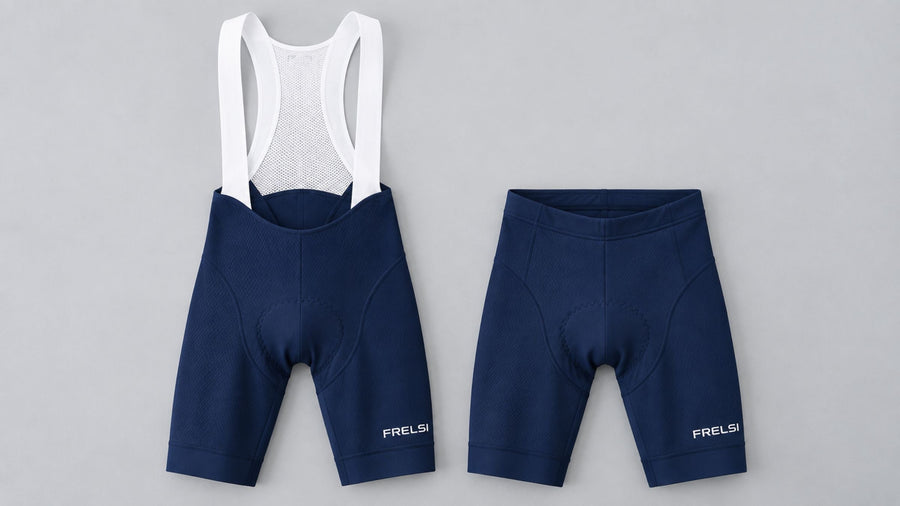
For a cold morning ride, build an outfit you can adjust: a moisture-wicking base layer when needed, a suitable cycling jersey, leg coverage for the conditions, and a removable wind or rain layer. Check the forecast for the whole ride, including the journey home.
That first moment outside can make every layer in your drawer seem necessary. Half an hour later, a climb or a patch of sun can change things. A little planning helps you leave home with clothing that works beyond the driveway.
Plan for your route as well as the temperature
Before choosing an outfit, look at wind, rain, and how the temperature is expected to change. Think about whether your route includes exposed roads, long descents, or a café stop. A sheltered loop near home and an open country route can call for different choices on the same morning.
Keep a simple note after your rides: what you wore, the conditions, and whether you felt too warm or too cold. Over time, this becomes a more useful guide than copying someone else's outfit exactly.
Give each upper layer a purpose
A base layer helps manage moisture next to your skin. A warmer jersey adds insulation. An outer layer provides the wind or rain protection specified for that garment. Choose the combination for the conditions rather than adding layers automatically.
A fleece-lined cycling jersey is an option when an ordinary jersey feels too light for the morning. Frelsi's Fleece Line Collection gives you warmer jersey options in distinctive designs. Check the selected product and variant so you order the lining you intend.
Long sleeves alone do not tell you how warm or weather-resistant a jersey is. Likewise, fleece lining does not establish that a garment is waterproof. For a wet forecast, choose an outer layer with suitable rain protection.
Choose your leg coverage
If you want full-length cycling bottoms for colder mornings, explore Frelsi Pro Team Winter Bib Tights. They feature Advanced Pro Padding, flatlock stitching, and Comfort-Flex straps in a full-length design.
For a milder start followed by a warmer finish, you might prefer bib shorts with removable leg warmers. For a consistently cold outing, tights can be the more straightforward option. The choice depends on your conditions and how you feel in each combination.
Make room for changing conditions
Keep an extra layer accessible
A packable layer is most useful when you can reach it before a chilly descent or a stop. Plan where it will go when you take it off, too. Check that your pockets or bag have room alongside the things you normally carry.
Warmth while pedaling and warmth while standing still are different needs. If your route includes a long break, take that into account before leaving. Adjust layers early as you heat up or cool down.
Remember hands, feet and ears
Choose gloves that provide warmth while still letting you operate your brakes and gears comfortably. Socks and shoe covers can help with colder feet; avoid cramming so much material into your shoes that the fit becomes tight. Any head layer should preserve the fit of your helmet.
For a dawn departure, check your lights as well as your clothing. Bright fabric and reflective details can contribute to visibility, but they do not replace functioning bike lights in low light.
A practical outfit starting point
For a dry, chilly morning, consider a suitable base layer, a fleece-lined jersey, full-length cycling bottoms, gloves, and a removable wind layer. Adjust the warmth to your route and forecast. This is an outfit framework, not a temperature guarantee for any individual product.
If substantial rain or severe cold is expected, assess whether you have the protection and experience for that ride. A shorter route or a later departure can be a better choice than trying to solve every condition with another layer.
Questions about cold morning cycling clothing
Is a long sleeve cycling jersey always thermal?
No. Sleeve length and insulation are different features. Read the fabric and lining description, and make sure you select the thermal or fleece-lined option when that is what you want.
Should I wear bib shorts or tights on a cold morning?
Tights offer full-length coverage. Shorts with removable warmers offer flexibility if conditions improve. Consider the whole forecast, your route, and your own preference.
Is there one temperature for switching to winter kit?
There is no single comfortable threshold for everyone. Wind, rain, riding effort, and personal preference all affect the decision. Use your own ride notes to refine your choices.